


Things About Genre…
- Angelina Ding
- Sep 23, 2022
- 2 min read
Updated: Oct 5, 2022
Genre: a french word standing for “class”or “kind”
Purpose of genre
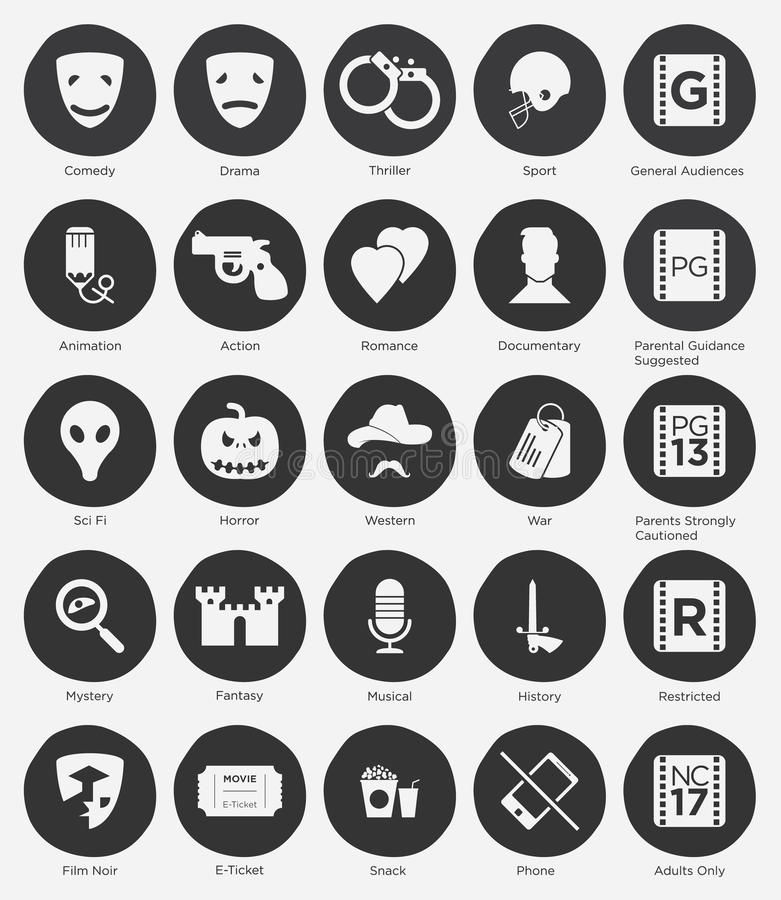
Genre helps organizing and classifying cinematography based on their form, content, and style. It distinguishes the purpose of the piece and the way in which it is to to be delivered. Genres are important because they create hypothesis and expectations for the film. When the audience views it, they’re opting for a specific experience. Our brains are designed to receive a story better if we know what kind of story it is in advance. The reaction we prepare for the genre heightens the experience of watching the film for us.
Steve Neale believes that genres are dominated by repetition of conventions and stereotypes. However, difference in every film is what subverts them and make them unique from other films.
Key conventions
Conventions are codes that films in different genres have to follow. It is particular elements (like characters, plot points, lighting, shooting style, music, theme, etc.) that the audience like. These special codes separate one genre from another.
For example….
Romance: objects symbolizing love, day to day life settings, include sexual, gender, status and relationships, emotional feelings, goes in separate ways and reunite again, etc.
Horror: monsters, creepy settings, isolation, darkness, nightmares, alienation, vunrablity, death, fear of the unknown, loss of identity, etc.
Fantasy: magic, creatures, imaginative, special effects, etc.
Western: setting in open landscape of mountain ranges, rugged lands and vast plains, away from big cities usually in small towns, deals between the main characters, guns, men, cowboys, stable and jail, etc.
Action: Big city, fights, weapons, always motive, mission to be completed, good guys verses bad guys, outbursts in settings, cat and mouse chase, explosions and crashes, killing loved ones, massive destruction, etc.
Here’s a mindmap for movie genres….

The genre that I want to do for my film-open is thriller…
I believe that film-opening of thrillers apply a lot of techniques in shooting and editing.
Known actors: Boris Karloff, Lon Chaney, Vincent Prince, Bela Lugosi, Anthony Hopkins, Steve Buscemi, Joel Edgerton
Known directors: David Fischer, Christopher Nolan, Alfred Hitchcock, Karyn Kusama
Known films: Seven, Vertigo, The Silence of the Lambs, The Usual Suspects, Memento, Shutter Island, The Sixth Sense, Rear Window, Psycho

About Thrillers…
The storyline generally has a murderous antagonist and a innocent/non-professional criminal protagonist, which is a binary opposition in Levi-Strauss’s word. Roland Barthes believes that most thrillers are consisted of three codes, enigma, action and semantic.
Popular sub-genres include:
-action thriller
-science fiction thriller
-religious thriller
-thriller of murderous passions
-innocent-on-the-run thriller
-political thriller
-thriller of acquired identify
-thriller of moral confrontation
-psycho-traumatic thriller
Some Technical codes of thriller movies:
-low-key lighting
-quick cuts
-tension in music
-queerly angled shots
-montage editing
-racking focus
-shallow focus
Summary of thriller trailers
Trailers for thriller movies usually creates tension and excitement. In order to achieve this, they usually have very tense and eerie music and gradually increasing switch between shots to give the audience a vague idea of what‘s in the film. Other key elements include close ups of main characters, voiceovers, breaking the fourth wall involving the viewer, low key lighting, etc.

Comments